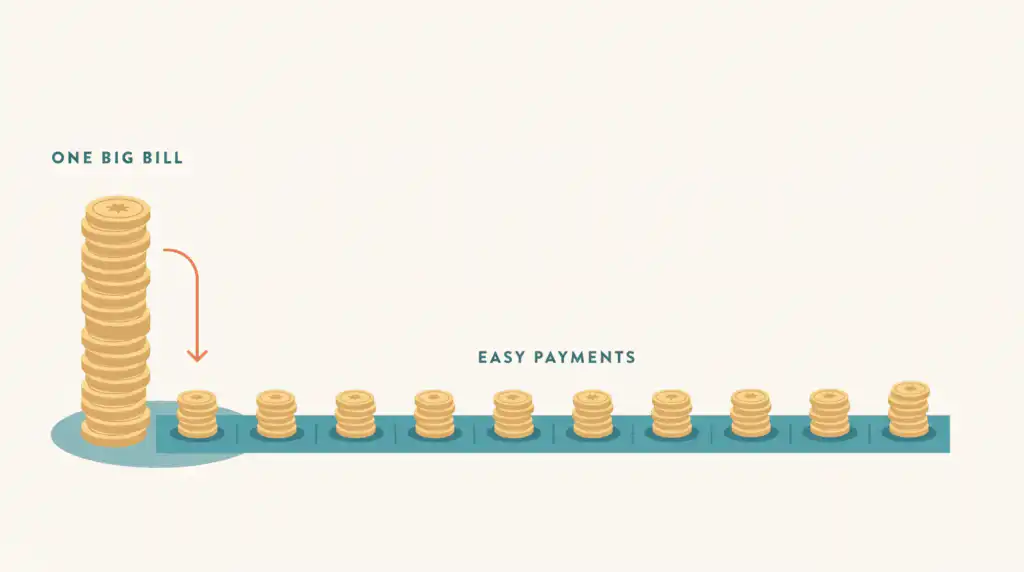
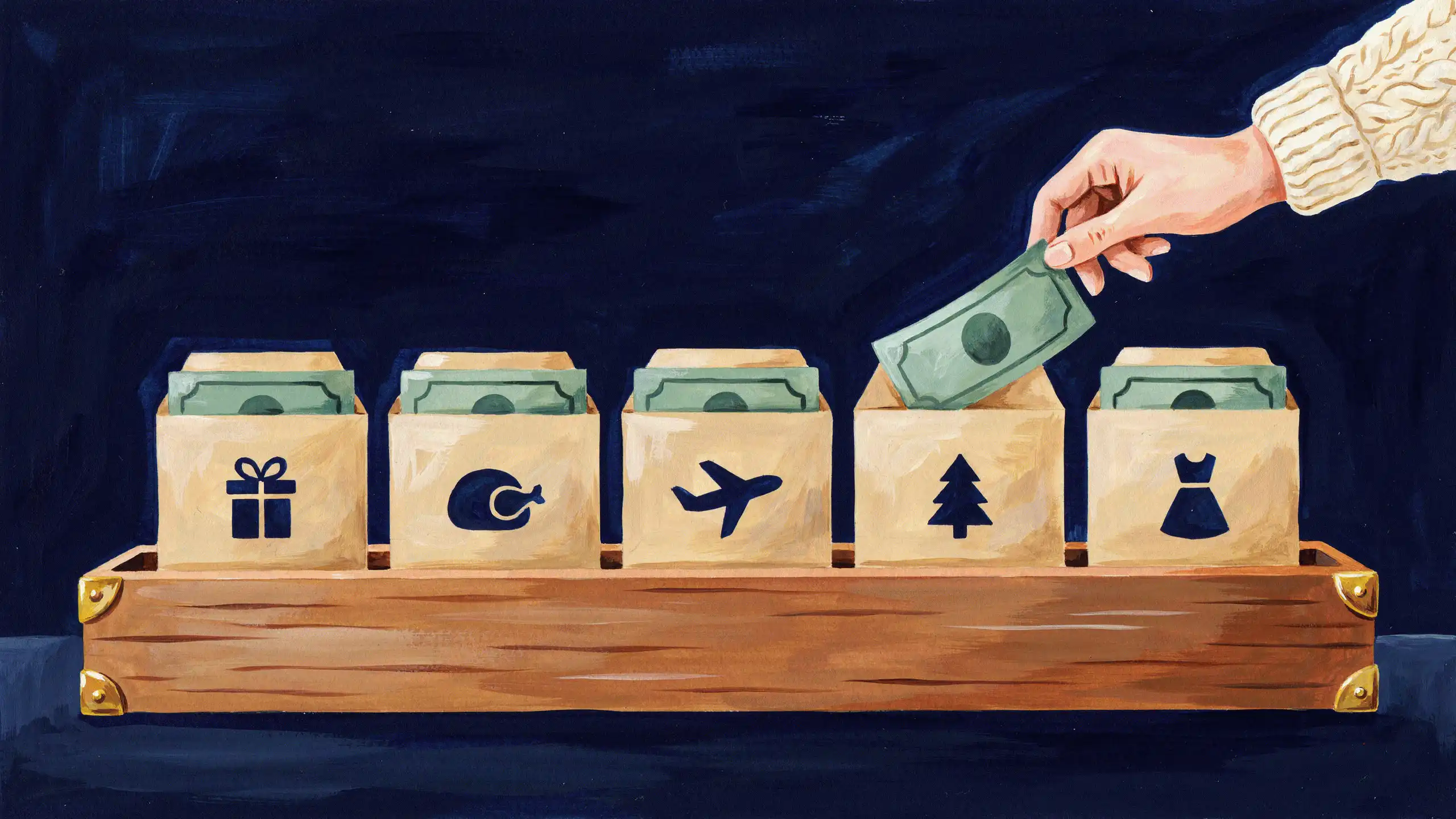

Start your holiday budget from a total you can pay off by January, then split it into a line for every cost of the season, not just gifts. Give each person on your gift list an amount, and log every purchase under its line so you spot overspending in time to cut back.
The National Retail Federation expects holiday retail sales of $1.013 trillion this November and December, up 4.2% from $972 billion in 2025. In its 2025 holiday survey, consumers planned to spend $890.49 each on average, and $262.56 of that was for seasonal items such as food, candy, decorations, and cards rather than gifts.
A budget that lists only gifts misses that spending, along with costs like the flight home, year-end tips for a sitter or house cleaner, and a party outfit. Give each of those costs its own budget line, all under one total, set at what you can pay off by January.
Set up these lines, each with a dollar amount:
- Gifts, with each person’s name and an amount
- Food and hosting, from the big dinner to cookie supplies
- Travel, including gas, flights, and the pet sitter
- Decorations, the tree and lights included
- Cards, wrapping, and shipping
- Year-end tips and charity
- Outfits and events, like a party dress or concert tickets
Your card and bank statements from last November and December show what you spent on each of these, so start every line except gifts at last year’s amount. Say you can pay off $1,200, and the lines other than gifts add up to $700. That leaves $500 for gifts, or $50 each for 10 people on your list. If $50 a person is too little, draw names in your family, buy only for the kids, or give joint or homemade gifts.
Move money into a separate savings account with each paycheck, and pay for the holidays from it, so no holiday purchase ends up as credit card debt. Log each purchase under its line the day you make it, in a spreadsheet or a budgeting app.
Cover a shortfall on one line by moving money from another line, never by raising the total.
Track each line from your phone with one of the best budgeting apps.

Subscribe and we'll send you 101 Essential Money Tips to get you started.
The 101 money moves that matter most, from the foundations to protecting what you’ve built.
Advertiser Disclosure: Many or all of the offers that appear on this site are from companies that compensate us, and some companies pay for sponsored content. That compensation may influence which products we cover and where and how they appear on a page, including the order in which they appear. We do not include every company or offer available in the marketplace.