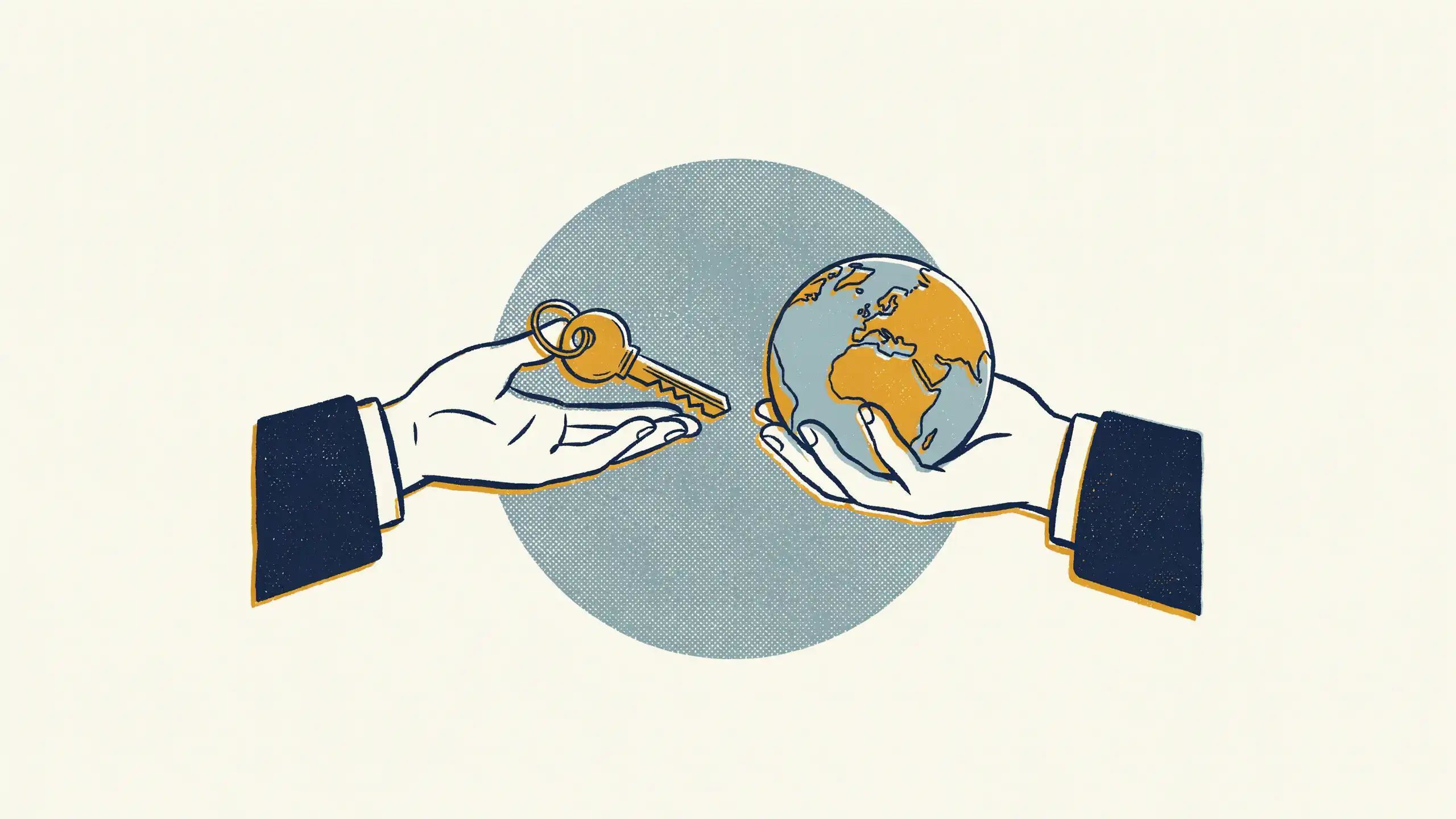

You can travel the world for free if you’ll trade something other than cash for it, whether that’s your time and skills, your home or schedule, or spending you already do. Before you sign up, count what each trade asks of you in hours, fees, and months, and pick the ones that fit your life.
The Peace Corps offers the biggest version of that trade.
It pays volunteers’ flights to and from their country of service, provides free housing, health care, and a monthly allowance that covers a modest lifestyle, and asks for 27 months in return, training included.
The other 14 ways ask for less time than the Peace Corps, and most cover less. Their price comes as hours of work, membership fees, flexibility with your dates, or spending you’d do anyway, so choose by which of those you have to spare.
Trade your time & skills
- House-sitting gets you a free place to stay in return for looking after someone’s pets and home. TrustedHousesitters charges sitters from $129 a year plus $12 per confirmed sit, and you pay your own way to and from each sit.
- Work exchanges trade your labor for a bed and meals. A Workaway membership costs $69 a year for one traveler, and its hosts usually expect four to five hours of help a day, five days a week. WWOOF runs the same trade on organic farms, with a separate sign-up in each country.
- Teaching English abroad through South Korea’s government-run EPIK program comes with free housing, minus utilities, and an allowance on arrival. The trade is a full-time teaching job, and if your bachelor’s degree is in another field, you’ll also need a certificate of 100 hours or more in teaching English as a foreign language.
- Seasonal and au pair work are two of the jobs that come with housing, though a resort may take room and board out of your pay. An au pair in Germany gets their own room in the family’s home, family meals, and pocket money for up to 30 hours of help a week.
- Crewing a yacht trades your help on board for a bunk for the voyage. Some owners on Find a Crew have recreational crew share costs such as food, fuel, and mooring. Settle who covers your travel to and from the boat before you sign on.
- The Peace Corps takes U.S. citizens 18 and older with a four-year degree or relevant work experience. Its shorter Peace Corps Response assignments last up to 12 months, for experienced professionals and people with an advanced degree or a specialized certification.
- Heritage trips can cost you nothing. Birthright Israel gives Jewish young adults ages 18 to 26 a 10-day trip with flights, accommodations, two meals a day, and professional guides. You put down a refundable deposit and travel on the group’s itinerary.
Trade your home or your schedule
- Home swaps trade a stay in your home for a stay in someone else’s. HomeExchange costs $235 a year for unlimited exchanges, and GuestPoints you earn by hosting members let you stay elsewhere without a direct swap.
- Relocation drives move a rental company’s car or RV one way for as little as $1 a day on Imoova. Most appear one to 14 days before pickup and give you three to seven days to finish, and you usually pay for the fuel.
- Airline stopovers add a second destination to a trip. Fly across the Atlantic on Icelandair, and you can stop in Iceland for up to a week at no extra airfare, though your hotel there isn’t covered.
- Giving up your seat on an oversold flight pays whatever you and the airline agree on, since the Transportation Department sets no limit on the money or vouchers an airline can offer. Ask when the next confirmed seat leaves and whether meals or a hotel come with it.
Trade your spending
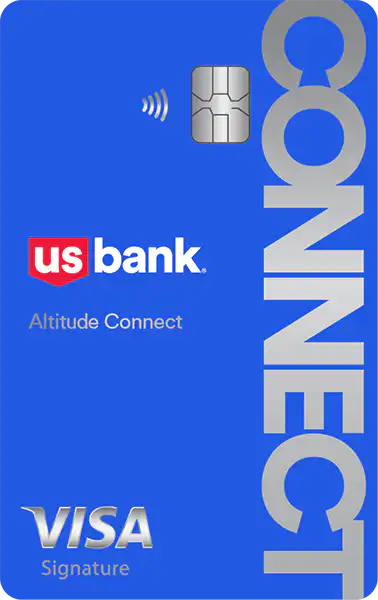
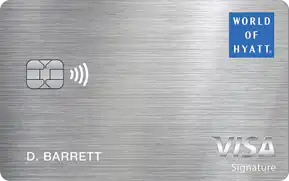
- Card sign-up bonuses pay a lump sum of points or miles toward flights and hotels once you spend a set amount in a new card’s first few months. Many travel cards charge an annual fee, and interest on a balance you carry can cost more than the bonus is worth.
- Transferring card points to airline partners can get you the same seat for fewer points than the card’s own travel site charges. A transfer can’t be reversed, so find a seat you can book with points before you move them, and you’ll still pay the taxes and fees.
- Loyalty promotions cut the miles a free flight costs. Air France-KLM’s Flying Blue posts Promo Rewards on the first of each month, at up to 25% off long-haul flights to and from Europe. Those tickets come without a checked bag in economy and, for most members, can’t be changed or refunded.
- Miles without a card come from an airline’s shopping portal and dining program, which pay miles on purchases you’d make anyway, and from Bask Bank’s Mileage Savings Account, which pays American Airlines AAdvantage miles on your balance. Bask reports those miles as interest, so they’re taxable.
Cover the bed and the flight
Most of these trades pay for a place to sleep or a way to get there, not both. Pair a house-sit or home swap for the bed with card points or a voucher from giving up your seat for the flight.

Subscribe and we'll send you 101 Essential Money Tips to get you started.
The 101 money moves that matter most, from the foundations to protecting what you’ve built.
Advertiser Disclosure: Many or all of the offers that appear on this site are from companies that compensate us, and some companies pay for sponsored content. That compensation may influence which products we cover and where and how they appear on a page, including the order in which they appear. We do not include every company or offer available in the marketplace.