
How often do you buy a new cell phone, laptop, or TV? In these gadget-driven days, you probably upgrade your electronics fairly often. Most people don’t think twice about buying the “latest and greatest” technology. After all, companies and their marketing teams spend a great deal of money to make sure that we’re hungry for the next iPad, Xbox 360 Kinect, or LED TV.
While our hunger for electronics and technology keeps growing, what happens to our old stuff? The statistics and trends are startling:
- According to Wirefly.org, the average cell phone user gets a new cell phone every 18 months.
- In the U.S., we toss more than 100 million cell phones in the trash every year.
- The EPA reports that over 112,000 computers are discarded every single day, in the U.S. alone. That’s 41.1 million desktops and laptop computers per year.
- 20 million TVs are trashed in the U.S. every year.
- Only 13% of electronic waste is disposed and recycled properly.
A recent United Nations report suggests that in some countries, production of Waste Electrical and Electronic Equipment (WEEE), which includes obsolete mobile phones, computers, and HDTVs, could rise by as much as 500% over the next decade. USA Today projected electronic-waste growth and predicted that by 2014, manufacturers will produce 70 million tons of “e-waste.”
Where Does Our E-Waste Go?
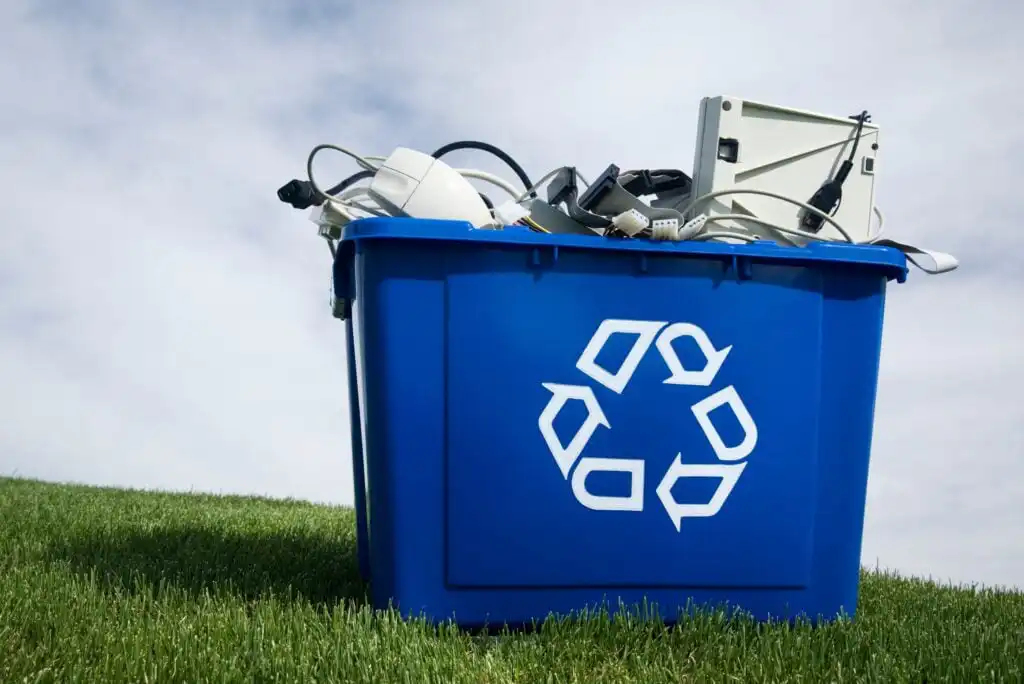
Electronic waste from equipment of all sizes includes dangerous chemicals like lead, cadmium, beryllium, mercury, and brominated flame retardants. When we dispose of gadgets and devices improperly, these hazardous materials have a high risk of polluting the air, contaminating soil, and leaching into water sources.
When e-waste sits in a typical landfill, for example, water flows through the landfill and picks up trace elements from these dangerous minerals. Eventually the contaminated landfill water, called “leachate,” gets through layers of natural and manufactured landfill liner and other protection. When it reaches natural groundwater, it introduces lethal toxicity.
Health risks range from kidney disease and brain damage to genetic mutations. Scientists have discovered that Guiyu, China, has the highest levels of cancer-causing dioxins in the world. Seven out of ten children in the villages of Guiyu have too much lead in their bodies; 82% tested positive for lead poisoning. Because the drinking water is so contaminated, villagers have to truck in water from other towns.
Even with the best intentions in mind, recycling e-waste often leads to illegal overseas shipping and dumping. Devices get left in a huge pit or burned. Worse, a 2008 study from the U.S. Government Accountability Office found that some recyclers ship e-waste to third world countries under the guise of philanthropy, claiming that these “donations” bring technology to developing nations. While plenty of recyclers run reputable operations, the shadowy companies just ship obsolete e-waste to digital dumping grounds in countries like Ghana.
Frontline profiled an e-waste dump in Ghana that explored the health risks of these practices. Young children there make a living by scavenging waste to reclaim gold, silver, iron, and copper. The amount of time they spend at dumping grounds is dangerous enough; factor in these poisons and chemicals and these habits can become be fatal. Further, the U.S. State Department lists Ghana as one of the top sources of cyber crime in the world. Criminals can purchase salvaged hard drives in an open market, and minutes later they have access to the personal and financial information you left behind in discarded devices.
ABC News did an incredible investigation of one e-waste recycler based in Denver. This company, which claimed to safely recycle e-waste, wasn’t recycling it at all. Instead, they were loading all those computer monitors, laptops, TVs, and cell phones into shipping containers and sending them off to the Far East, mainly rural China and Hong Kong.
People in developing countries are paying with their lives just so we can have the next iPad. Now that you have a sense of how serious a problem e-waste poses, consider how you can make a difference with your daily decisions. It’s sobering and depressing to think about tragedy abroad, but we can change things. We can make sure our e-waste is recycled effectively, and NOT shipped off to third world countries irresponsibly.
How to Recycle Your E-Waste Safely
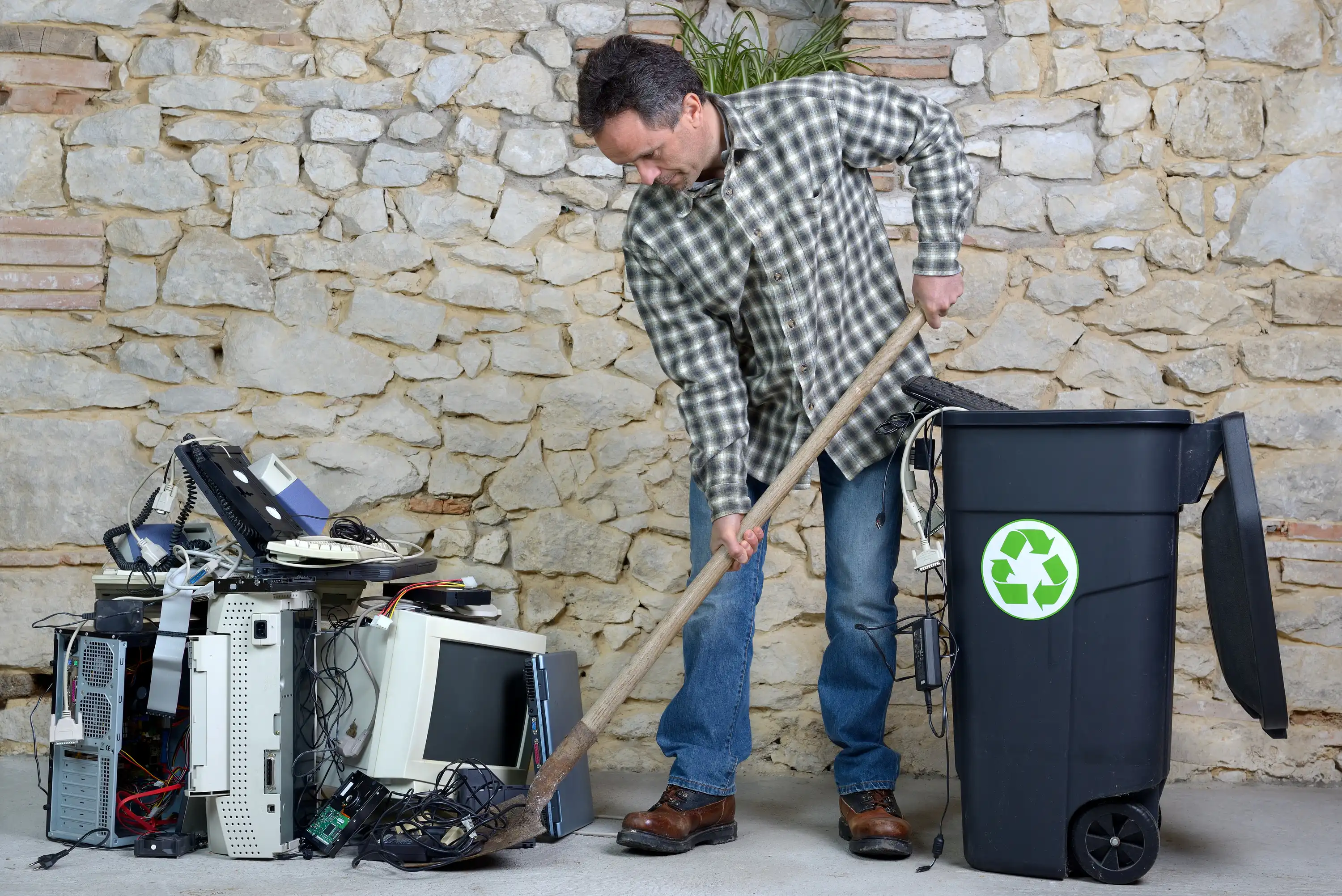
The good news is that you have plenty of options for properly recycling or donating your used electronics. It’s important to understand this: Even if you take your e-waste down to your local recycling center, there’s a high probability that it won’t get recycled properly. As ABC News discovered, e-waste recyclers are often more concerned with making a buck than they are with making sure these hazardous materials are disposed of properly. So what can you do?
1. Use a Certified E-Waste Recycler
Find an e-waste recycler certified through the Basel Action Network (BAN). BAN is a non-profit organization devoted to certifying e-Stewards, recyclers who are committed to safely and responsibly recycling electronics. Members take and demonstrate the Pledge of Responsible Recycling, so working with a certified e-Steward means you don’t have to worry that your gadget will become another nation’s pollution or a criminal’s newest project. BAN’s recycler locator will help you find the certified safety and comfort of e-Stewards in your area.
2. Visit Civic Institutions
Check with your local government, schools, and universities for additional responsible recycling options. With e-waste becoming such a large problem, government offices and schools are assigning days when citizens can bring unwanted electronics to a designated drop-off location.
Many communities post a calendar that will include recycling days, so check your local paper or visit their website. When you recycle your items locally, you can make the occasion a day trip and a community event. Encourage your neighbors to join you and spread the word about educated e-waste disposal.
3. Explore Retail Options
Best Buy, for example, isn’t certified through BAN’s e-Steward program, but they do have an effective recycling program in all of their stores. They claim to only use recyclers who adhere to the highest standards of e-waste processing. Specifically, their website discloses that e-waste that you bring to their stores will not end up in a foreign country or in any landfill:
Best Buy makes sure that the recyclers we work with adhere to the highest guidelines and standards so that the products customers bring into our stores for recycling don’t end up in landfills or in foreign countries, and that all hazardous materials are disposed of properly. We partner directly with a short list of qualified, respected recycling companies who ensure all products collected for recycling through Best Buy are handled responsibly. These recycling companies meet our standards, and we encourage them to examine and consider additional third-party standards for responsible practices (such as the EPA R2 and e-Stewards).
You can drop off all kinds of e-waste for recycling at Best Buy including:
- Cell phones
- TVs
- Power cords
- GPS devices
- Speakers
- DVD players
- Paper shredders
- Memory cards
- Desktops
- Laptops
- Netbooks
Additionally, Gettington teams up with an e-Stewards partner, CExchange, to provide you with an opportunity to recycle your e-waste via pre-paid postage containers. You can recycle old items and get the benefit of cash reward for some products. You can even transfer the rewards to charitable organizations.
4. Donate Your Electronics
Reusing is always better than recycling. If your electronics still have life left, you can reduce e-waste pollution and share technology with people who wouldn’t otherwise have access to it.
Organizations like Cell Phones for Soldiers and Verizon’s HopeLine program will make sure your old cell phone makes its way to a worthy cause. Other organizations, like the Salvation Army and Goodwill, can sell your used electronics and use the profits to educate and empower others who need help. Goodwill has been particularly active with its Reconnect program, which has a strict no-export policy.
Gazelle, a marketplace that can also provide some cash incentives, will help you organize a Gadget Drive if you’re trying to raise money for your school or non-profit. To get a feel for the kind of money people are willing to spend, check out Ecosquid. When you run a Gadget Drive, people in your community will drop off their devices. You’ll ship everything off to Gazelle, and then you’ll get a check for everything that was donated. Gazelle, in turn, will either sell the electronics or make sure they’re recycled responsibly.
 Final Word
Every time you replace one of your electronic devices, it’s your responsibility to be sure your old one gets recycled properly.
Ideally, your first step will be to consume less. Don’t get pulled into the hype of new technology if you can help it. If you do want something, try to find a gently-used version first. Then, when you have an expired product, take the time to find a responsible e-waste recycler.
Be a part of the solution. Help properly recycle as much e-waste as possible. You’ll make the Earth a better place, help halt digital data dumps, feel proud of your accomplishment, meet new friends, and maybe even make your wallet a little greener!
How do you normally dispose of your electronics? Do you have any additional tips for properly recycling e-waste?
Portions of this post are written by Paula Drum, general manager of Gettington.com.

Editorial & Advertiser Disclosure: The editorial content on this page is not provided, commissioned, reviewed, approved, or otherwise endorsed by any advertiser. Opinions expressed here are ours alone, not those of any advertiser. The offers that appear on this site are from companies that compensate us. That compensation may influence which products we cover and where and how they appear on a page – including the order in which they appear – but it does not influence our evaluations, ratings, or opinions. We do not include every company or offer available in the marketplace.
Related: