
The best student credit cards are a lot like the best credit cards for nonstudents.
They generally have low fees, reasonable APRs, and perks that specifically appeal to college students. A few even have cash back programs that reward spending on gas, groceries, dining out, and other routine purchases.
So it should come as no surprise that finding them is pretty easy. Read on to learn our top picks.
Best Credit Cards for College Students of 2024
These are the best student credit cards on the market this year. Each one does at least one thing really well, whether that’s delivering outsize rewards on everyday spending or setting unusually high credit limits for the category.
Our top pick offers the best overall value of any card in the space, in our humble opinion.
Petal® 2 “Cash Back, No Fees” Visa® Credit Card

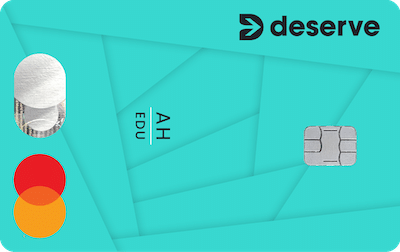
Best for Value-Added Perks: Deserve EDU Student Credit Card
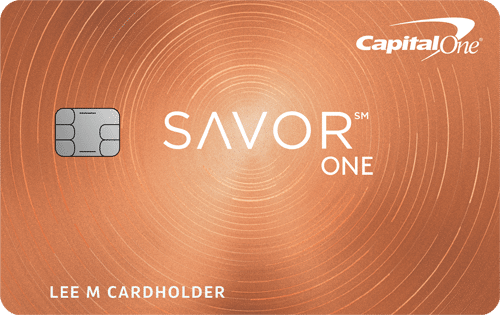
Capital One SavorOne Student Cash Rewards Credit Card
Capital One Quicksilver Student Cash Rewards Credit Card
Bank of America® Travel Rewards Credit Card for Students

Chase Freedom® Student Credit Card

Methodology: How We Choose the Best Student Credit Cards
We use several key factors to assess student credit cards and build this list. Most relate in some way to these cards’ overall value — how well they reward cardholders while helping them build credit and make the leap to post-college life.
Eligibility and Qualification
Some student credit cards are very easy to qualify for. If you’re a student at a U.S. university and you have a U.S. bank account, you’re in.
Others are stricter. They’re more like traditional credit cards in the sense that you need a good credit score and decent income to pass underwriting.
And some fall in the middle. Most of the cards on this list fit that bill. But we do our best to uncover products that aren’t overly strict.
Spending Limits
Your credit card’s spending limit is a function of your income, your credit score, and your perceived ability to repay. Accordingly, most student credit cards have low spending limits — students just aren’t a wealthy, well-qualified bunch.
That said, some next-generation cards have impressively high spending limits, at least by the category’s standards. We prefer cards that let you charge up to $5,000 (or more) without going overlimit. Because let’s face it, school is expensive.
Rewards
Many student credit cards don’t have rewards programs. Those are for grown-up credit cards, they say.
But some do reward users for everyday purchases. Those are the ones we like — though not offering a return on spending is not necessarily a dealbreaker for us.
Secured Status
Most of the student credit cards on this list are unsecured, meaning they don’t require a security deposit as a condition of approval. That ensures student users don’t have to tie up cash for months or years at a time.
That said, we do include a couple of secured cards on this list because they excel in other ways and because they’re easier to qualify for than some pickier unsecured cards. We just urge students to understand what they’re getting into.
Fees
The fewer fees, the better. Most of the cards on this list don’t charge annual fees, which is good news for frugal students. Where possible, we look for cards that cut students breaks on other fees — particularly foreign transaction fees, which put students studying abroad at a disadvantage.
Student Credit Card FAQs
Choosing a student credit card isn’t as simple as it might seem. These are some of the most common questions that come up during the process.
How Do You Qualify for a Student Credit Card?
You’ve heard all the clichés about starving students. While you’re hopefully not actually going without regular meals as you work and study your way through school, you probably don’t have as much disposable income as you’d like.
But don’t worry — you don’t need much income to qualify for a student credit card. Many student credit cards don’t even require you to have a credit score. As long as you’re a U.S.-based student on track to earn your degree, you can probably find a card that’ll accept you.
And if not, consider asking a parent or older sibling to cosign your application. That way, the credit card issuer can fall back on their financial firepower if you stop making payments.
Why Do You Need a Student Credit Card?
Most college students have limited experience with credit cards and other forms of credit. Accordingly, their credit histories are often thin or nonexistent. Therefore, the single most important reason for students to apply for credit cards is to build a positive credit history.
If you’re keen on building credit quickly, you need to look for cards that report timely payments to one or more (ideally all three) consumer credit reporting bureaus. Then, you need to keep up your end of the bargain by making in-full, on-time payments.
What’s the Spending Limit on a Student Credit Card?
Credit card issuers know that, on average, college students have less money than older people with full-time jobs. Accordingly, they tend to tightly restrict how much their student customers can spend on their cards.
So don’t expect your first student credit card to come with an exceedingly high credit limit, particularly if your only source of income is a stipend or work-study job.The good news is that if you make regular payments, build a positive credit history, and look for ways to earn extra income on the side, your credit limit — and spending power — is likely to increase over time. Years from now, when you think back to your time as a student, you might just identify your first-ever student credit card approval as a decisive milestone on your personal finance journey.
Final Word: How to Select the Best Student Credit Card
To choose the best student credit card, you need to look inward.
Don’t laugh. Understanding which cards you’re likely to qualify for is an important first step in your credit journey — and helps protect your valuable time, which you have far too little of as a full-time student.
If you’ve never had a credit card before and don’t have any student loans in your name, you might not have sufficient credit history to qualify for a traditional student card. In that case, you’ll need to look for cards that use nontraditional factors in their underwriting process.
If you do have a credit score, you’ll have more choice. If your credit is good and you have some income, you’ll likely have your pick of any card on this list. If your credit isn’t so good, you may need to settle for a secured card, at least at first.
From there, look for cards that suit your spending habits. That might mean choosing a rewards program that offers higher returns on the types of spending you do most often, or finding a slate of perks that aligns with your lifestyle.
Chances are, you’ll find the card that works best for you. It just might take some time.
