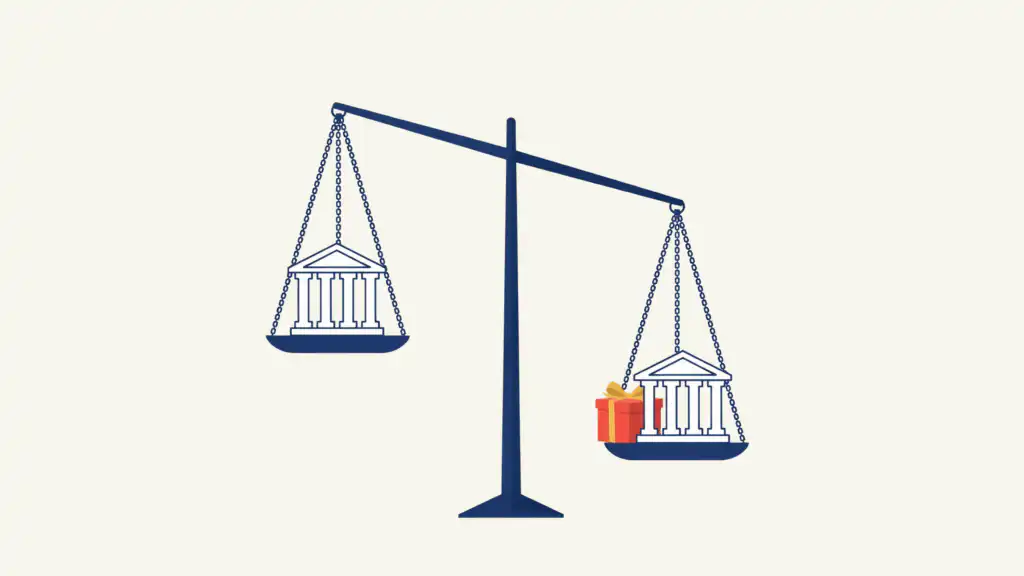

Buy a brokered CD only when it pays more than your bank’s CD for the same term and you can hold it to maturity, because cashing out early means selling it for whatever buyers offer. Treat a market-linked CD as an investment, since it returns your deposit at maturity but can pay no interest at all.
A bank CD usually costs a set penalty to break. The SEC warns that selling a brokered CD after rates have risen since you bought means accepting a discount and getting back less than you paid.
Your brokerage sells new CDs from banks nationwide, plus older ones other investors are reselling. Banks competing for its customers’ money can pay more than your own bank does for the same term. Each CD is FDIC-insured up to $250,000 per depositor at the bank that issued it, a limit that can include savings you already keep there.
A brokered CD’s interest is usually paid out to your account as cash instead of compounding. And a callable CD lets the issuing bank end it early, typically after rates fall, so you lose the rate you locked in.
Brokered CDs fit money you’ll leave alone until maturity. Buy one when it beats your bank’s CD for the same term, or when you want a CD ladder of several banks’ CDs in one account. Money you might need early fits a bank CD better than a brokered one, since you know its penalty before you open it.
A market-linked CD returns your deposit if you hold it to maturity, but its interest comes from a formula that tracks a market index like the S&P 500. A participation rate can pay you only part of the index’s gain, a cap can set a maximum return, and averaging the index’s level over the term, instead of using its final level, can shrink your return further. If the index falls, you can earn nothing, and most market-linked CDs can’t be cashed in early.
Take a five-year CD earning a fixed 4% a year, compounded. It turns $10,000 into about $12,167, so a five-year market-linked CD has to earn about $2,167 from its index formula just to match it. Buy a market-linked CD only with money you’d otherwise invest.
Compare the best CD rates to see what banks pay for the term you want.


Subscribe and we'll send you 101 Essential Money Tips to get you started.
The 101 money moves that matter most, from the foundations to protecting what you’ve built.
Advertiser Disclosure: Many or all of the offers that appear on this site are from companies that compensate us, and some companies pay for sponsored content. That compensation may influence which products we cover and where and how they appear on a page, including the order in which they appear. We do not include every company or offer available in the marketplace.