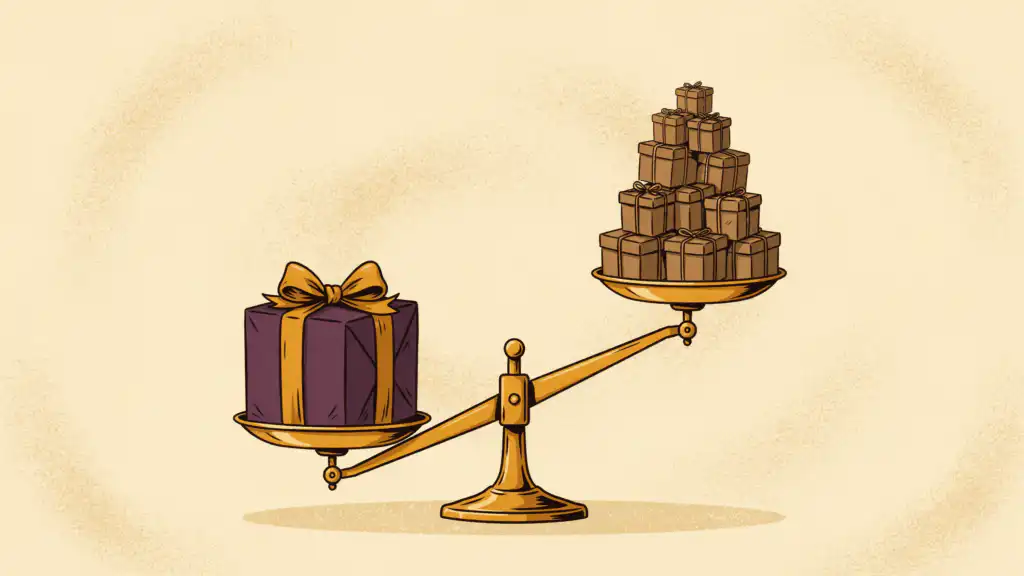

When you want something you didn’t plan to buy and don’t need, put it in your cart and wait 24 hours, or longer for a big purchase. The 24-hour rule lets the rush of the moment fade, so tomorrow you judge the item itself. If you still want it at that price, buy it.
Online stores are designed to close the sale before that rush fades.
When University of Michigan researchers reviewed 200 shopping and travel sites for a 2019 study, every one carried at least four features that can encourage impulse buying, and the average site had about 19. More than two-thirds used urgency cues such as limited-time discounts with countdown clocks. In a 2022 report, Federal Trade Commission staff flagged countdown timers that tell shoppers an offer is about to end when it isn’t actually time-limited.
A countdown works only if you decide before it ends. With a 24-hour wait, you decide the next day, after the countdown has ended, and judge the item against your budget and what you already own. The same study surveyed 151 online shoppers who wanted to rein in impulse buying, and “sleeping on it” or waiting a day was among the successful strategies they named most often.
Make the cart your waiting room. Add the item, close the tab, and set a reminder for the same time tomorrow. Deleting the card number a shopping site has saved makes it harder to skip the wait with one tap.
When the reminder goes off, ask whether you still want it at that price and what you’d give up to make room for it. The rule is for wants. A replacement for something you need, like a phone charger that just died, can skip the wait. Bigger purchases deserve a longer one, such as a week or a month.
Let the deal go if it vanishes while you wait, and judge the item at its regular price. An item you wouldn’t buy at that price is one you’d have bought only for the discount.


Subscribe and we'll send you 101 Essential Money Tips to get you started.
The 101 money moves that matter most, from the foundations to protecting what you’ve built.
Advertiser Disclosure: Many or all of the offers that appear on this site are from companies that compensate us, and some companies pay for sponsored content. That compensation may influence which products we cover and where and how they appear on a page, including the order in which they appear. We do not include every company or offer available in the marketplace.