
One extra mortgage payment a year, or a twelfth of one added every month, can take years off a 30-year loan and tens of thousands off its interest. Mark every extra dollar principal-only and check your next statement, or your servicer may apply it to next month’s payment instead.
Early in a mortgage, the scheduled payment barely reduces what you owe. On a $300,000, 30-year loan at 7%, $1,750 of the first $1,996 payment is interest, and interest outweighs principal in every payment for the first 20 years.
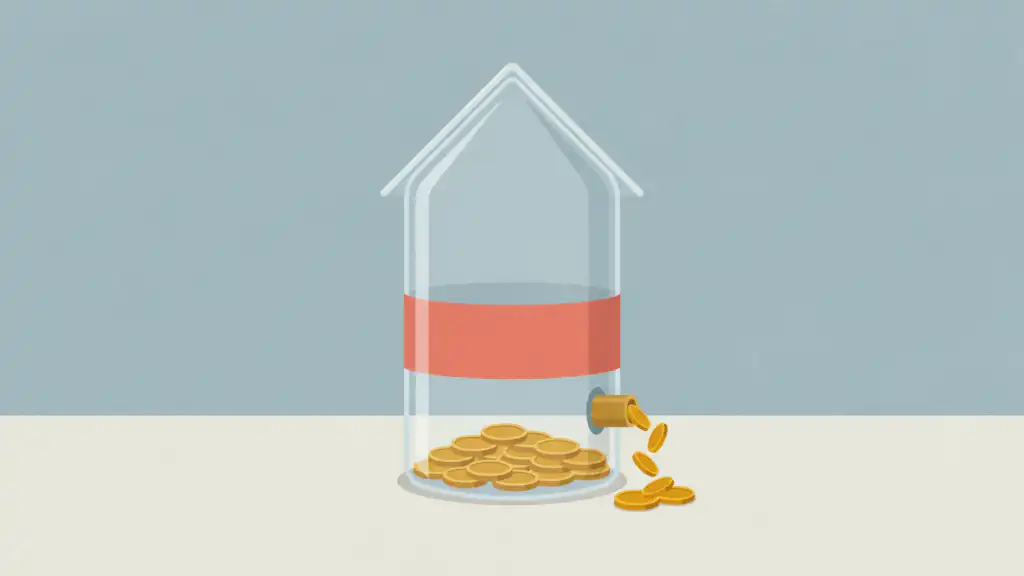
An extra dollar goes entirely to principal, so interest accrues on a smaller balance for the rest of the loan. That’s a guaranteed return equal to your mortgage rate, less if you deduct mortgage interest.
On that loan, one extra $1,996 payment at the end of each year pays it off in 24 years instead of 30 and saves about $98,500 in interest. Adding $166 a month instead saves about $102,300, because each dollar starts cutting interest sooner. You can make that 13th payment three ways:
- One extra payment a year, from a tax refund or bonus
- Half your payment every two weeks, through a free servicer plan or on your own, which comes to 13 full payments a year
- A fixed amount added to every monthly payment, such as a twelfth of it
Whichever you use, tell your servicer in writing that the extra is principal-only, as the standard Fannie Mae and Freddie Mac mortgage note requires. Then check that your next statement shows it under principal. Your required payment won’t change. The loan just ends sooner.
Skip any biweekly program that charges a fee. The savings come from the extra payment, not the schedule, and in 2015 the Consumer Financial Protection Bureau ordered one such company, Paymap, to refund $33.4 million in fees.
Prepay only after you’ve captured your full 401(k) match, cleared debt that costs more than your mortgage, and built an emergency fund. Money sent to the lender stays in the house until you borrow against it or sell.
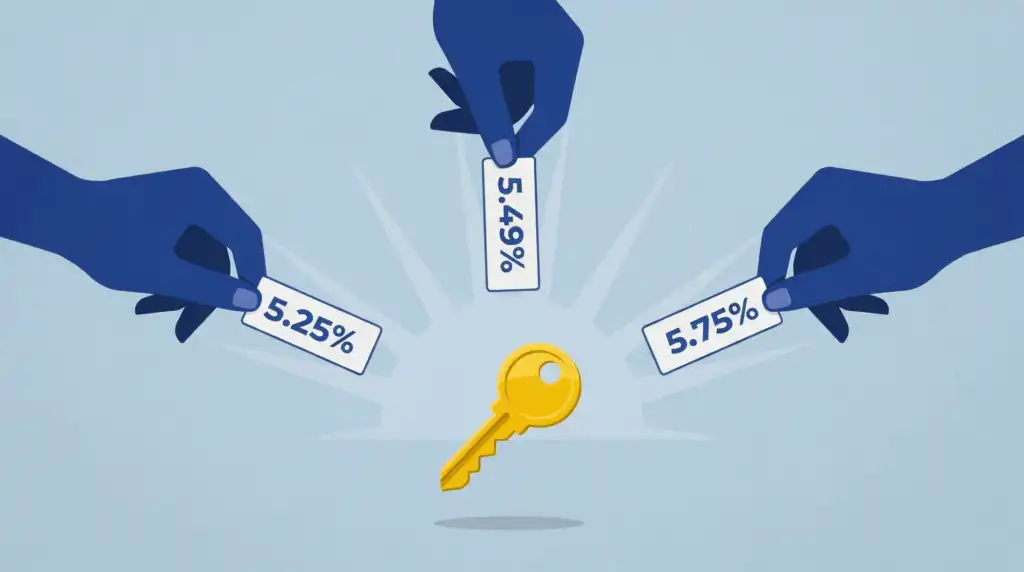
Then compare your rate with what high-yield savings or Treasury bills pay after tax, unless you deduct mortgage interest, in which case compare both rates before tax. Prepay when your rate is the higher of the two, and otherwise only if owning your home sooner is worth more to you than the extra return.

Editorial & Advertiser Disclosure: The editorial content on this page is not provided, commissioned, reviewed, approved, or otherwise endorsed by any advertiser. Opinions expressed here are ours alone, not those of any advertiser. The offers that appear on this site are from companies that compensate us. That compensation may influence which products we cover and where and how they appear on a page – including the order in which they appear – but it does not influence our evaluations, ratings, or opinions. We do not include every company or offer available in the marketplace.
Related: