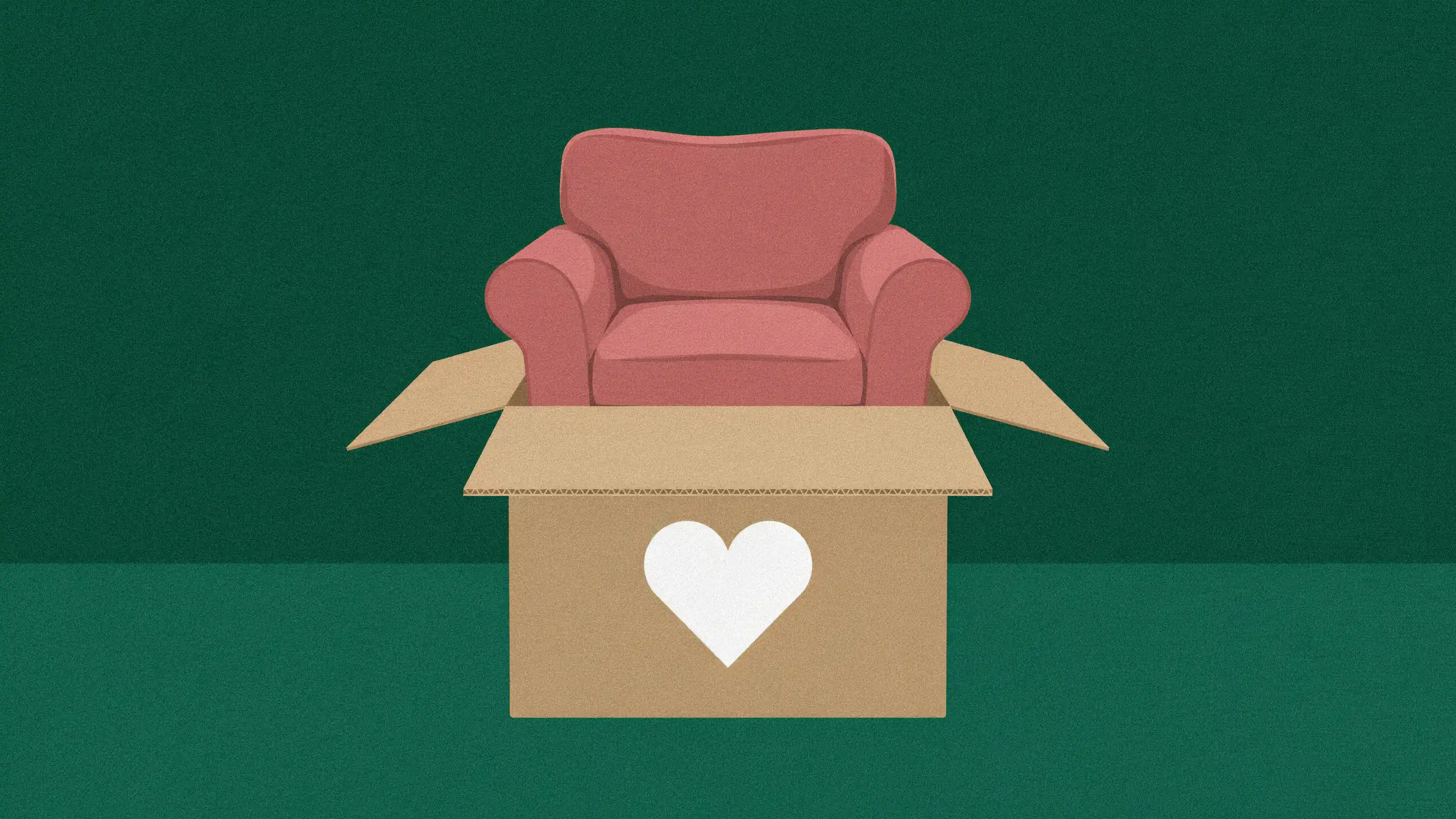

Match each piece of used furniture to a place that will take it, since rules on size, condition, and mattresses vary. Many Salvation Army and Habitat for Humanity ReStore locations pick up sofas and dressers for free, and veterans’ groups collect smaller pieces left outside your door. Get a receipt if you’ll deduct the gift.
Americans threw out 12.1 million tons of furniture and furnishings in 2018, and about 80% of it went to landfills, according to the EPA. A usable sofa or dresser doesn’t have to end up there.
Size and condition decide where a piece can go. Charities with trucks and sales floors take big pieces like sofas, dressers, and dining sets, while veterans’ groups pick up only what one person can lift. Many places also refuse mattresses and anything torn, stained, or broken, because they have to resell what they take or hand it to a family.
Clear out the drawers first. Clothes and electronics have charities of their own.
Charities that pick up
- The Salvation Army picks up unbroken furniture, including sofas, beds, and mattresses, for free in the areas its trucks serve. Book by ZIP code on its site, and call 1-800-SA-TRUCK to confirm a piece, since each center’s rules vary.
- Habitat for Humanity ReStores take gently used furniture, appliances, and building materials, and many pick up large items for free. Each store sets its own rules and donation hours, so call yours first.
- Vietnam Veterans of America picks up small furniture left outside your door, and the driver leaves a receipt. It takes only what one person can lift, such as nightstands, headboards, and office chairs, never sofas, desks, or mattresses.
- AMVETS books free home pickups in parts of 17 states through the partner sites on its pickup page. Most partners want clothes and household goods, and those that list furniture take light pieces like nightstands and dining chairs, not mattresses.
- Goodwill is run by regional organizations, and each sets its own furniture rules. Most will pick up large items, Goodwill says, but some accept no furniture themselves and refer you to a paid pickup partner, and many refuse mattresses.
Local groups that put it straight to use
- Furniture banks pass donated furniture to families furnishing an empty home, usually ones referred by local agencies. Find one in the Furniture Bank Network’s directory. Some charge for pickup, so ask the price when you call.
- Rescue missions, the charities behind many homeless shelters, often sell donated furniture in thrift stores to fund their shelters, and some send trucks to collect it. Find one in Citygate Network’s directory and call to ask what it takes.
- Women’s and family shelters often keep their addresses private, and most prefer new items. Call the office before offering a piece, since some lack storage, and expect to drop it off by appointment. DomesticShelters.org lists programs by location.
- Community theaters can use furniture as set pieces, and some look for older or period pieces. Call before you haul anything over, since some have little room to store it, and expect to deliver it yourself.
- Schools can use a bookcase, rug, or comfortable chair in a classroom reading corner or library. Ask the principal or teacher first, since many districts have rules on accepting donated furniture and equipment, and plan to deliver it.
Services that find a pickup for you
- PickUpMyDonation forwards a single request to nearby nonprofits that do pickups, and one that wants your furniture usually gets in touch within two days. If none can take it, the site offers a paid hauler instead.
- Donation Town books free pickups through Pickup Please, a for-profit fundraiser that pays the charities it collects for. It takes only small pieces, such as nightstands, headboards, and office chairs, left outside your home.
Getting a tax deduction
Under IRS Publication 526, donated furniture is deductible only if it’s in good used condition or better and you itemize deductions rather than take the standard deduction.
The deduction for people who don’t itemize, new in 2026, covers cash gifts only. And starting with 2026, itemizers can deduct only the part of the year’s charitable gifts above 0.50% of adjusted gross income, which is total income after certain adjustments. On an adjusted gross income of $80,000, for example, the first $400 you give in the year isn’t deductible.
A gift of $250 or more needs a written acknowledgment from the charity that describes what you gave. Noncash deductions totaling more than $500 in a year require Form 8283, attached to your return.
When the truck comes or you drop a piece off, ask for a receipt that describes each item, and value each one at what it would sell for used, usually far less than you paid.


Subscribe and we'll send you 101 Essential Money Tips to get you started.
The 101 money moves that matter most, from the foundations to protecting what you’ve built.
Advertiser Disclosure: Many or all of the offers that appear on this site are from companies that compensate us, and some companies pay for sponsored content. That compensation may influence which products we cover and where and how they appear on a page, including the order in which they appear. We do not include every company or offer available in the marketplace.