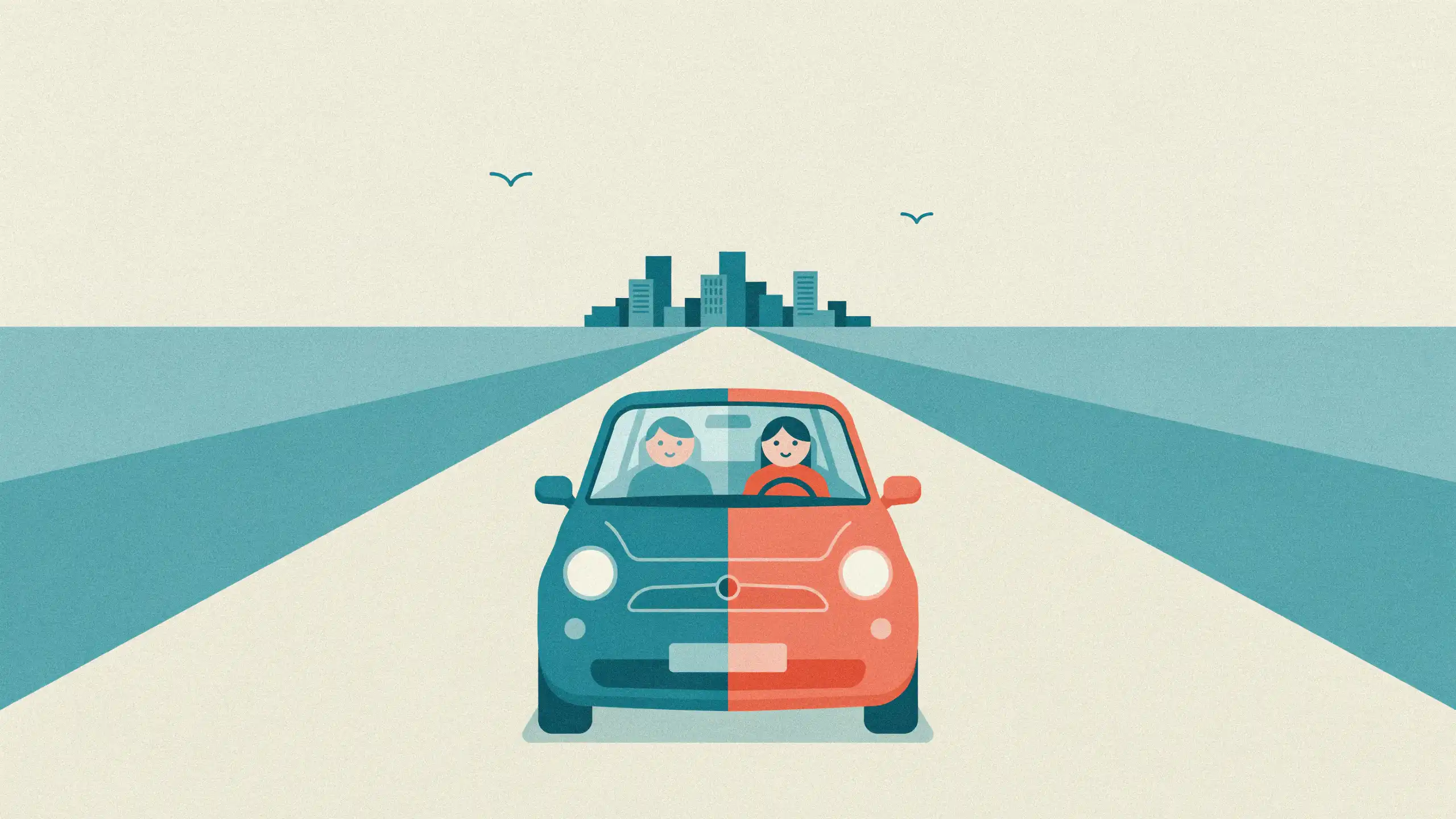

Carpool with a coworker or neighbor who lives along your route, and take turns driving to work. Driving every other day halves what each of you spends on gas, upkeep, and tolls, and even two shared days of a five-day week cut your commuting miles by a fifth.
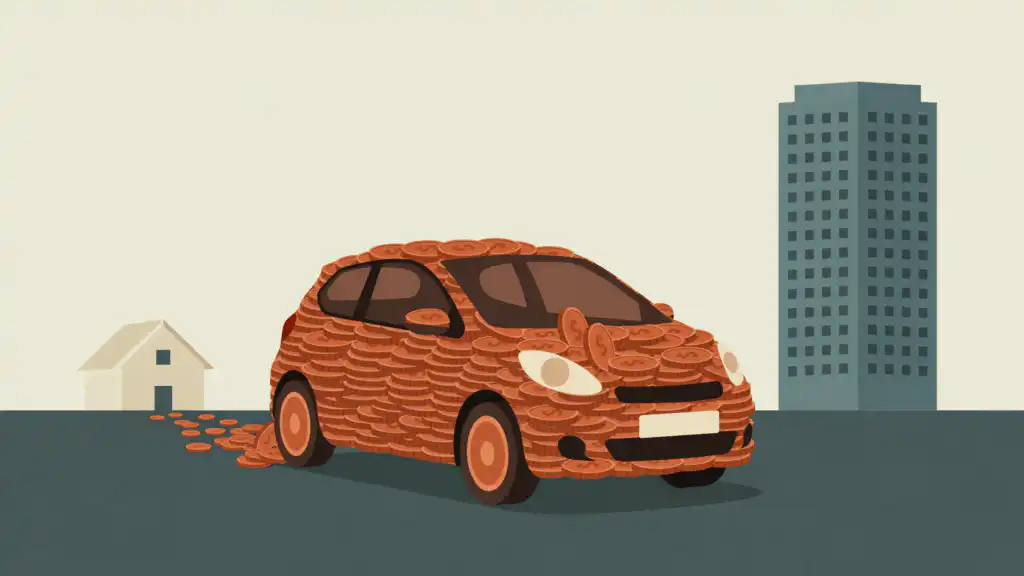
Each commuting mile you don’t drive saves more than the gas it would burn. For an average new car, AAA’s 2026 Your Driving Costs study puts fuel at 17 cents a mile and maintenance, repairs, and tires at 12 cents, with gas averaging $4.15 a gallon.
That’s about 29 cents a mile in all, well under the IRS’s mileage rate for business driving, which also counts fixed costs you keep paying however little you drive. Say you and a coworker who lives nearby both drive 25 miles to work, five days a week, 50 weeks a year. Take turns every day and each of you skips 6,250 miles a year, worth about $1,800 before any savings on parking or tolls. Take turns on just two days a week and you each still skip 2,500 miles, about $725.
A second person in the car also lets you use HOV lanes, the carpool lanes for cars with two or more people, or three on some roads. Some express toll lanes charge carpools less or nothing at all.
Ask HR whether your employer runs a carpool program. Most state transportation departments and local agencies sponsor programs to help commuters share rides, from ride-matching services to vanpools, according to the Federal Highway Administration. In a vanpool, five or more riders split one monthly fare for the van and gas, which some agencies and employers subsidize. Your employer may also let you pay vanpool fares with pretax money, one of several ways to spend less on your commute.
Before the first ride, agree on who drives which days, how you’ll split gas, tolls, and parking, and what happens when someone is sick or works late. Then call your insurer to confirm your policy covers the carpool. The Texas Department of Insurance warns that regularly charging riders a fee likely won’t be covered, so split the actual costs instead.
Propose two shared days a week to the coworker who lives closest to you, or register with your area’s ride-matching program to find someone on your route.

Subscribe and we'll send you 101 Essential Money Tips to get you started.
The 101 money moves that matter most, from the foundations to protecting what you’ve built.
Advertiser Disclosure: Many or all of the offers that appear on this site are from companies that compensate us, and some companies pay for sponsored content. That compensation may influence which products we cover and where and how they appear on a page, including the order in which they appear. We do not include every company or offer available in the marketplace.