
The credit card and banking offers that appear on this site are from credit card companies and banks from which MoneyCrashers.com receives compensation when a customer clicks on a link, when an application is approved, or when an account is opened. This compensation may impact how and where products appear on this site, including, for example, the order in which they appear on category pages.
MoneyCrashers.com does not include all banks, credit card companies or all available credit card offers, although best efforts are made to include a comprehensive list of offers regardless of compensation. Advertiser partners include American Express, Chase, U.S. Bank, and Barclaycard, among others.
Historically, one enormous advantage the wealthy had over the rest of us was access to expert investing advice. They didn’t need to be experts on stocks or market movements or investing. They could pay someone to “just take care of…
An index fund tracks a market index like the S&P 500 and charges minimal fees. The majority of actively managed funds, where a professional picks stocks, underperform their benchmark over a 10-year period after fees. You don’t need to pick winners. Own the whole market cheaply and stay in it.
Self-employed individuals with no employees can open a solo 401k and contribute as both employee and employer: the full annual 401k limit on the employee side plus a percentage of business profits on the employer side. The combined ceiling far exceeds what an IRA allows and can significantly reduce your taxable self-employment income.
High earners above the Roth income limit can contribute to a traditional IRA and immediately convert it to a Roth. The backdoor Roth conversion is legal and widely used, so use it to unlock tax-free retirement growth at any income. There’s one catch. Pre-tax money already sitting in your IRAs makes part of the conversion taxable.
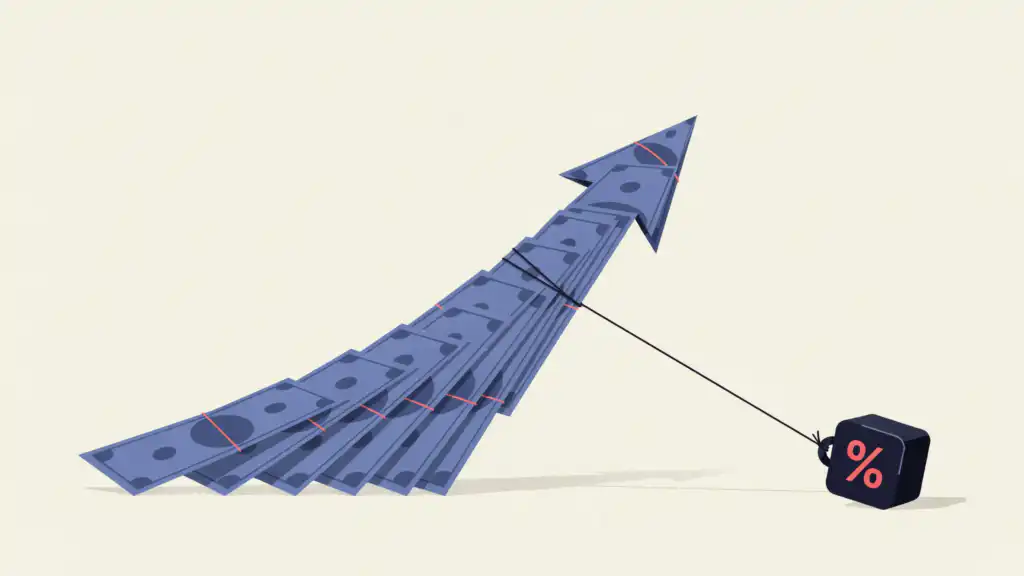
Every fund charges an annual expense ratio, a percentage of your assets taken as a fee regardless of performance. A 1% expense ratio on a $100,000 portfolio costs you $1,000 a year, while index funds from major low-cost brokerages commonly charge 0.03-0.05%. Check yours, because that difference compounds into tens of thousands over an investing lifetime.
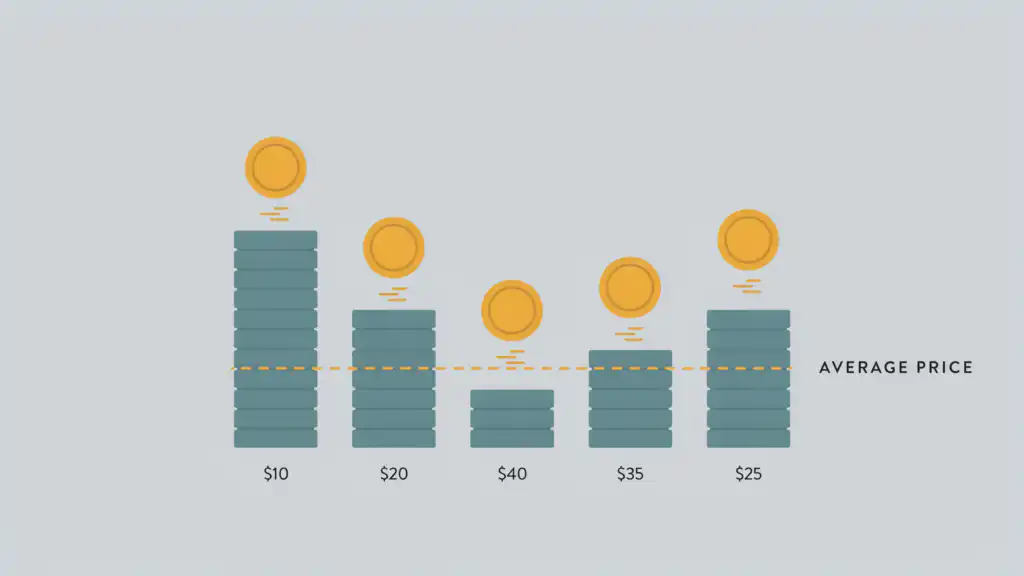
Dollar-cost averaging means investing a fixed dollar amount on a regular schedule, monthly or biweekly, regardless of what the market is doing. You buy more shares when prices are low and fewer when they’re high, lowering your average cost over time. Pick a schedule and automate it, and the paralysis of market timing disappears.
Any child with earned income from a job, babysitting, or mowing lawns can have a custodial Roth IRA, and you can contribute whatever they earned, up to the annual IRA limit. Money invested at 15 has half a century to compound tax-free. Open one the first summer your kid earns a paycheck.
If you trade options more than a few times a month, switch to a broker that prices for volume. tastytrade charges $1 per contract to open stock and ETF options, nothing to close, and caps commissions at $10 per leg. Casual buy-and-hold investors should skip it and stick with a mainstream brokerage.
Kraken DeFi Earn puts your stablecoins and other eligible crypto to work in audited on-chain lending vaults, with professional risk teams handling protocol allocation. If you want DeFi-level yield without managing wallets or protocols yourself, this is worth a look. APYs are variable and not guaranteed. Past performance is not indicative of future results.
Kraken Equities lets you trade stocks and ETFs commission-free* inside the same account where you hold crypto. If you already use Kraken and want equity exposure without opening a separate brokerage account, this removes that step entirely.
End of content
End of content
Make & Save More Money, Spend Less Time
Sign up for our daily email newsletter
Join over 50k subscribers and get actionable money tips in your inbox daily. No nonsense and completely free – just the tip.